


 Home
Homecurrent location: Home> Central News
Central News
Researcher Kaixing Huang and Collaborators Publish in Nature Climate Change on the Spillover Effects of Grassland Conservation Policies on Food Production
Release date:2026/06/05 Source: CCAP
Recently, Dr. Huang Kaixing, Research Fellow at China Center Agricultural Policy, School of Advanced Agricultural Sciences, Peking University, together with Professor Min Liu from the College of Pastoral Agriculture Science and Technology at Lanzhou University and other collaborators, published a research article entitled “Grassland Restoration Increases Crop Yields through Local Climate Regulation” in Nature Climate Change.
The study demonstrates that under China’s Grassland Ecological Conservation Subsidy and Reward Program (GECP), grassland restoration significantly improved climatic conditions across the spring maize belt in northern China. Specifically, grassland recovery reduced average temperatures and increased precipitation during the maize growing season, effectively mitigating the adverse impacts of extreme heat and drought stress during critical crop growth stages. As a result, maize yields increased by 7.76% (approximately 0.437 t ha⁻¹), while the risk of yield loss declined by 25.9%.
These findings challenge the conventional view that ecological restoration and food security are inherently subject to trade-offs. Instead, the study provides compelling evidence that ecosystem restoration and agricultural productivity can be mutually reinforcing. The results offer robust empirical support for Nature-based Solutions (NbS) and carry important policy implications for agricultural regions worldwide facing the dual challenges of ecosystem degradation and climate change.
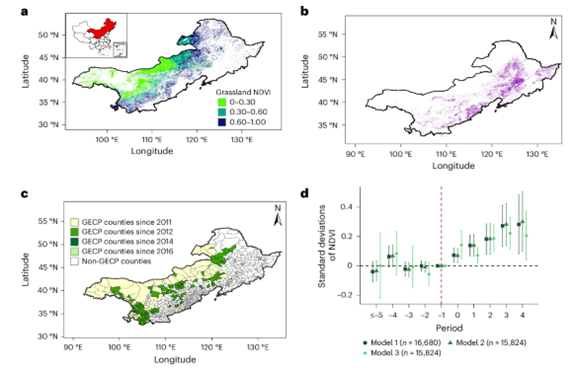
Figure 1. Study Area and Policy Implementation.
(a) Grassland Normalized Difference Vegetation Index (NDVI) in the study area in 2020;
(b) Spatial distribution of maize cultivation in the study area in 2020;
(c) Implementation of the Grassland Ecological Compensation Policy (GECP);
(d) Impact of GECP on grassland NDVI.
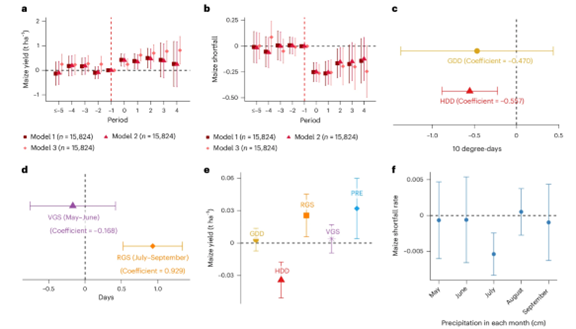
Figure 2. Mechanisms Through Which Grassland Restoration Affects Maize Production.
(a) Effect of GECP on maize yield;
(b) Effect of GECP on maize yield losses;
(c) Effects of GECP on Growing Degree Days (GDD) and Heat Degree Days (HDD);
(d) Effects of GECP on the duration of the Vegetative Growth Stage (VGS) and Reproductive Growth Stage (RGS);
(e) Marginal effects of GDD, HDD, RGS, VGS, and precipitation (PRE) on maize yield;
(f) Effects of monthly precipitation during the growing season on maize yield losses.
Citation:
Liu, M., Huang, K., Wang, J., et al. (2026). Grassland Restoration Increases Crop Yields through Local Climate Regulation. Nature Climate Change. https://doi.org/10.1038/s41558-026-02663-4
Original Article:
https://www.nature.com/articles/s41558-026-02663-4