


 Home
Homecurrent location: Home> Central News
Central News
ProfessorChengfang Liu Leads Research Team to Laishui, Hebei for Rural Revitalization Field Study
Release date:2025/12/15 Source: CCAP
On December 12, 2025, Professor Liu Chengfang, Vice Dean of the School of Advanced Agricultural Sciences at Peking University and Deputy Director of the China Center for Agricultural Policy (CCAP), led a research team to Laishui County, Hebei Province, to conduct a preliminary field study in preparation for the upcoming round of surveys under the China Rural Revitalization Strategy Think Tank Data Platform Construction Project, scheduled to be carried out during the winter break.
The research team included Researcher Jiong Zhu, visiting scholar Xue Zhou, postdoctoral researcher Tianyang Liu, PhD candidates Siwei Chen, Shengjie Fu, and Xinmeng Hao, as well as jointly trained doctoral student Jingjing Zhoufrom the School of Advanced Agricultural Sciences and the Chinese Academy of Agricultural Sciences, and PhD candidate Lukang Hefrom China Agricultural University.
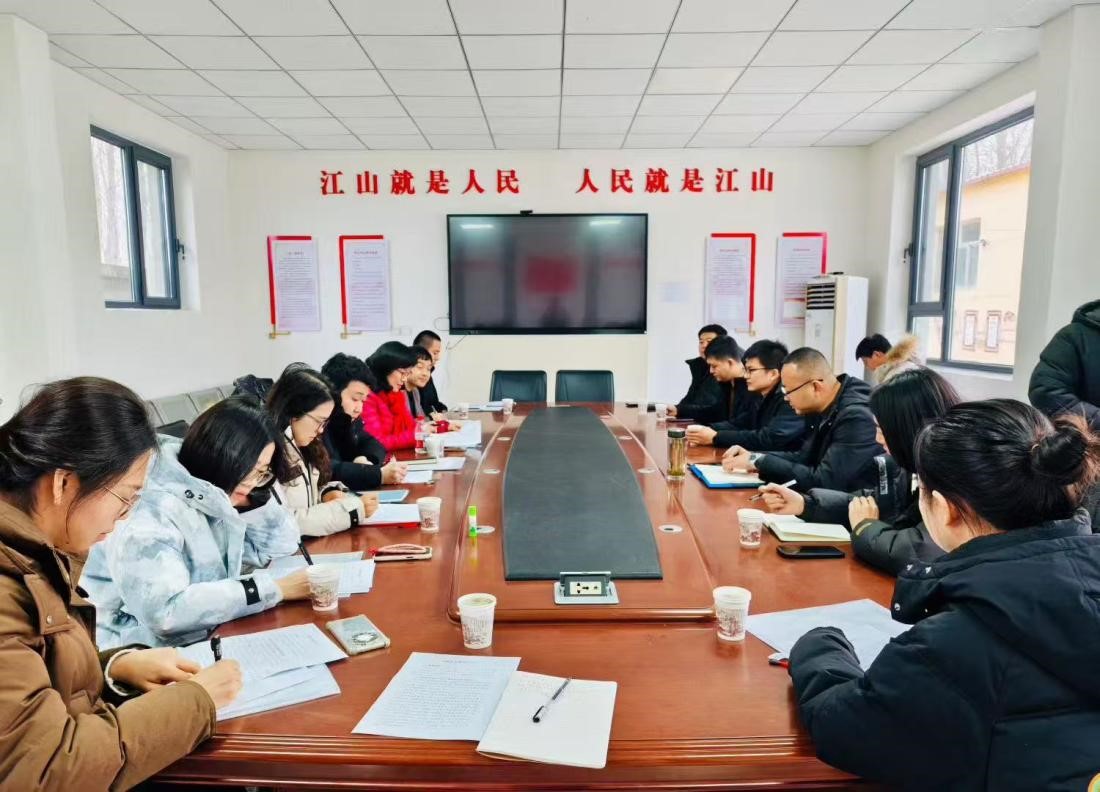
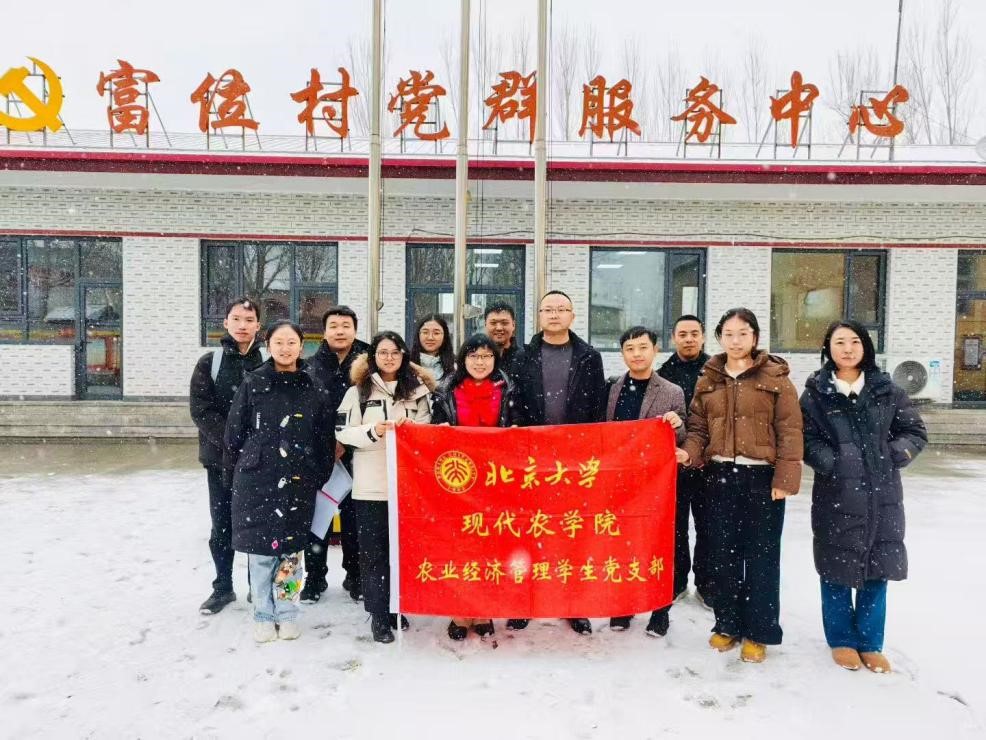
In the morning, the team visited Fuwei Village, Hujiazhuang Township, where they met with village officials to learn about the village’s socioeconomic conditions, characteristic industries, and the development of the village collective economy. With more than 40 years of experience in white radish cultivation, Fuwei Village has promoted the “one village, one product” development model by expanding its white radish industry through land consolidation, the introduction of new varieties, cold-chain storage facilities, agricultural service provision, and off-site cultivation. The products are now marketed in Beijing and several other provinces, including Hubei, Sichuan, Zhejiang, and Guangdong. The village Party branch has also established a cooperative-led operating mechanism, effectively increasing employment and income opportunities for local residents.
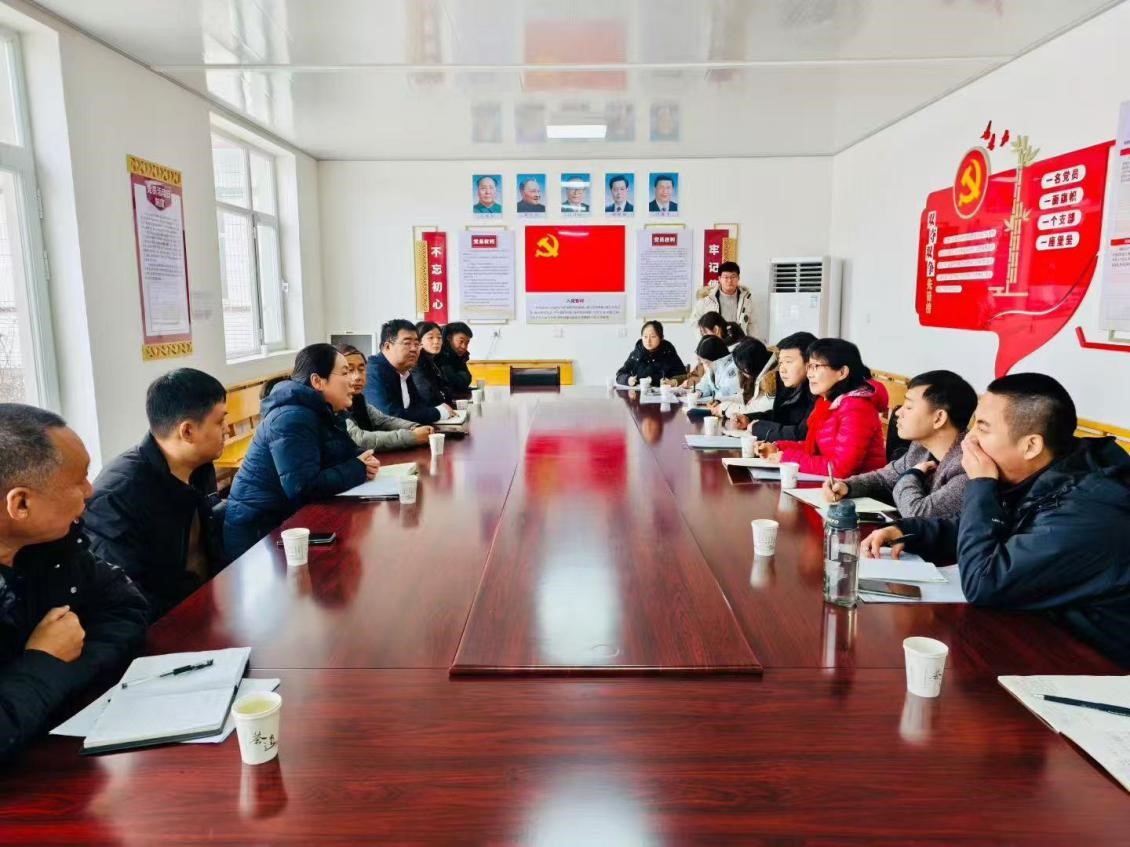
In the afternoon, the research team visited Shilipu Village, Dongwenshan Town, where discussions were held with township and village officials as well as resident working teams. The discussions focused on industrial development, the collective economy, and monitoring mechanisms to prevent a return to poverty. As a formerly impoverished village, Shilipu Village has achieved notable progress in improving its living environment and governance capacity. In addition to growing staple crops such as wheat and maize, the village has developed特色产业 including Chinese walnut cultivation, livestock farming, and value-added agricultural activities. Through Party branch–led cooperatives, the village has integrated agricultural machinery resources and promoted scaled agricultural operations.
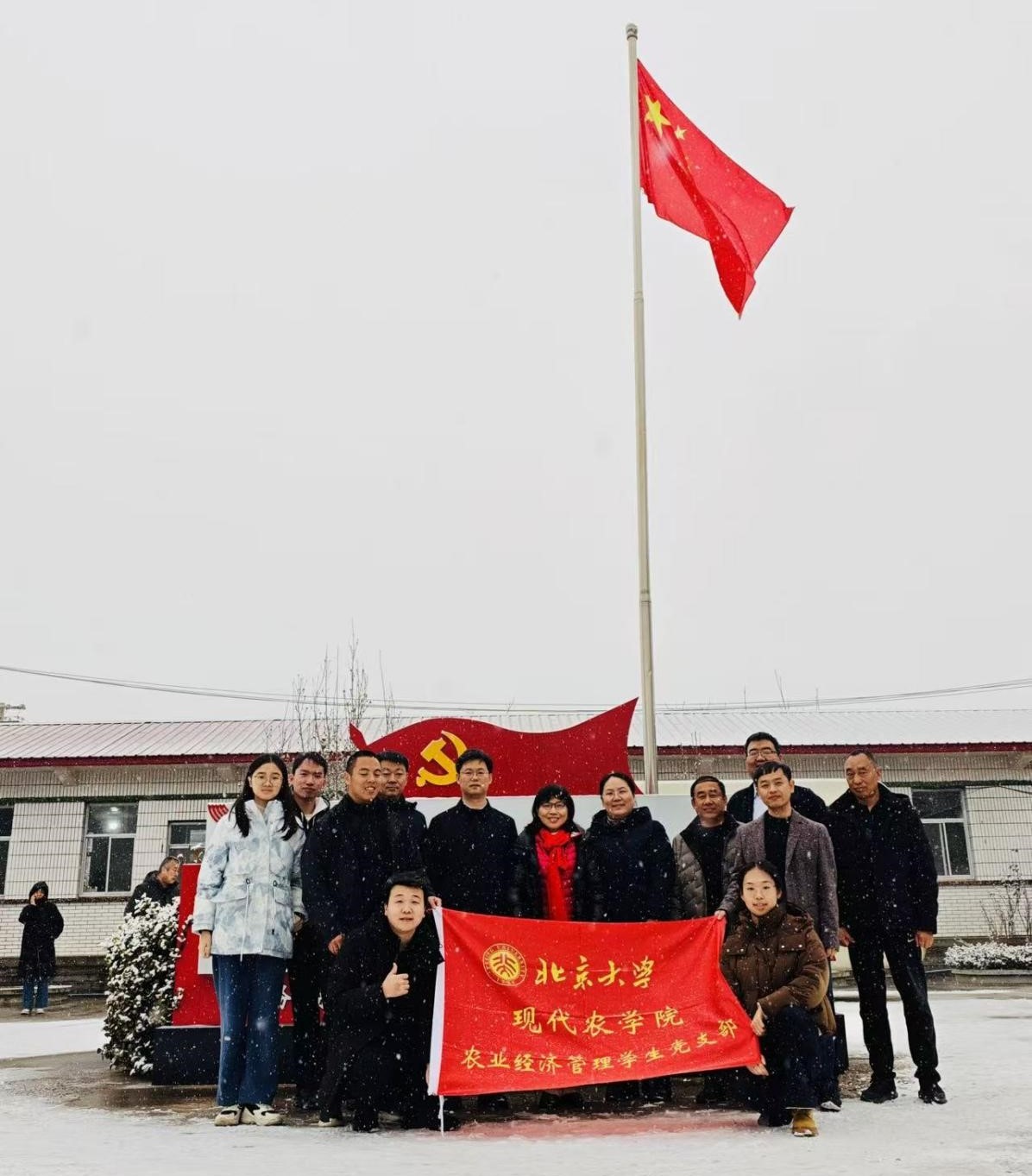
The field study concluded successfully amid the season’s first snowfall. Through on-site visits, discussions, and household interviews, the research team gained valuable insights into the development of village collective economies, farmers’ livelihoods, non-agricultural employment pathways, and the cultivation of characteristic industries in the context of China’s comprehensive rural revitalization. The findings will provide an important foundation for the forthcoming formal surveys and related research.