

 Home
current location: Home> Central News
Central News
Research Team of the “Digital Empowerment for Agricultural Upgrading and Smallholder Income Growth” Project Conducts Field Survey in Qingzhou, Shandong Province
Release date:2026/10/28 Source: CCAP
The rapid development of digital technologies is profoundly reshaping the agricultural landscape. In recent years, digital tools such as the Internet of Things (IoT), big data, e-commerce platforms, and artificial intelligence (AI) have been increasingly integrated into agriculture and rural areas, creating new opportunities for the transformation and upgrading of traditional agriculture. To gain a deeper understanding of the current state of agricultural and rural development in China and systematically assess the role of digital technologies in promoting agricultural transformation and upgrading, the School of Advanced Agricultural Sciences at Peking University and the Peking University Institute of Advanced Agricultural Sciences jointly launched the research project “Digital Empowerment for Agricultural Upgrading and Smallholder Income Growth.” From October 8 to 15, 2026, the research team conducted a field survey of the flower industry in Qingzhou, Shandong Province.
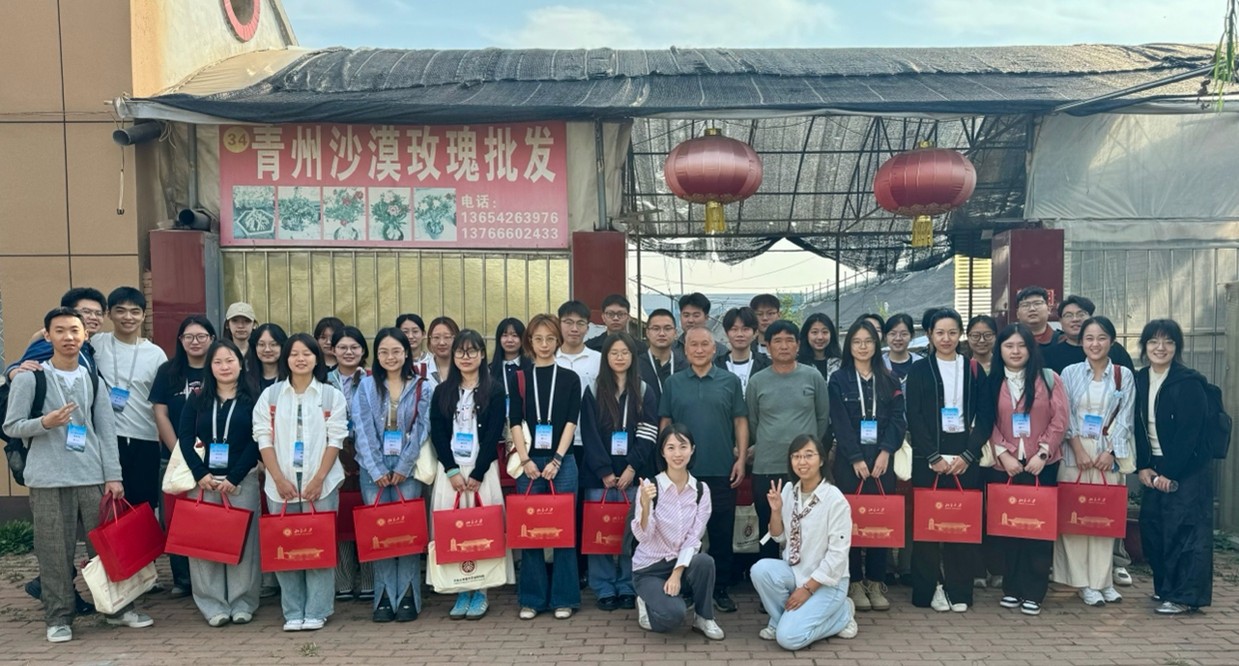
Qingzhou is one of China's leading production and trading hubs for potted flowers, ranking among the country's top flower industry clusters in terms of industrial concentration and market influence. E-commerce has become a major driver of local flower sales, accelerating the transition from traditional marketplace transactions to online sales while contributing to industrial upgrading and increased incomes for flower growers.
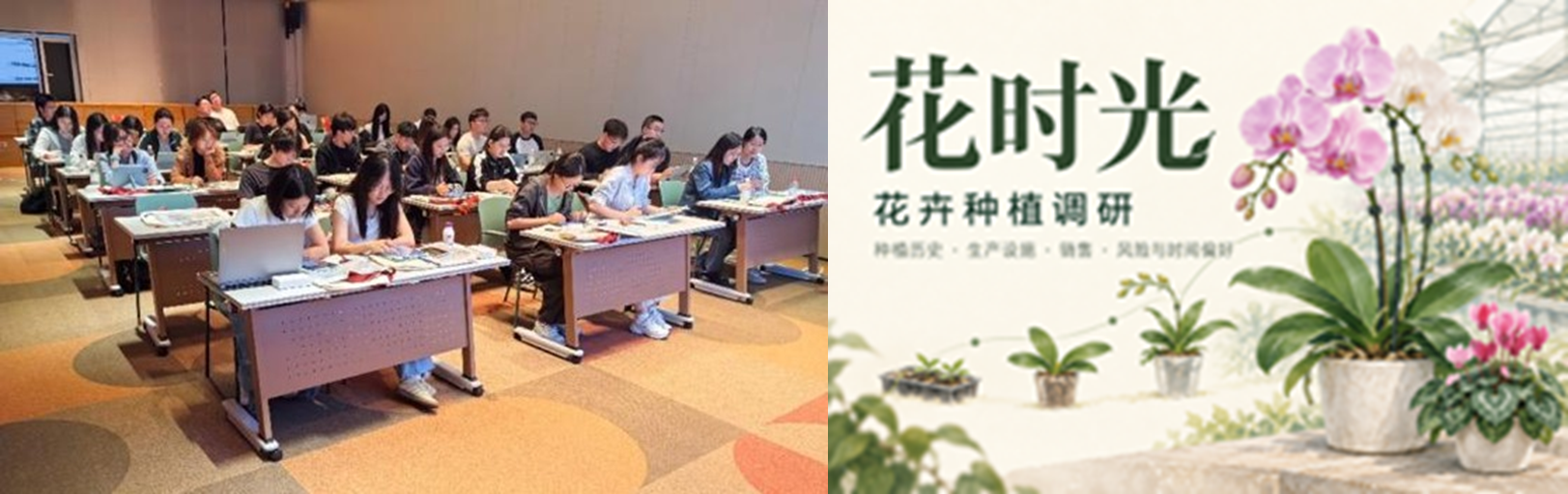
A total of 30 field researchers were recruited from universities across China, including China Agricultural University, Shandong Agricultural University, and Northwest A&F University. On October 8 and 9, the project team organized comprehensive training sessions covering questionnaire content, household interview techniques, and the operation of the electronic survey system, helping researchers bridge the gap between theoretical knowledge and fieldwork practice. Throughout the survey, data were collected using a self-developed electronic questionnaire system, with artificial intelligence integrated extensively into the research process to enhance the efficiency and quality of fieldwork through digital tools.
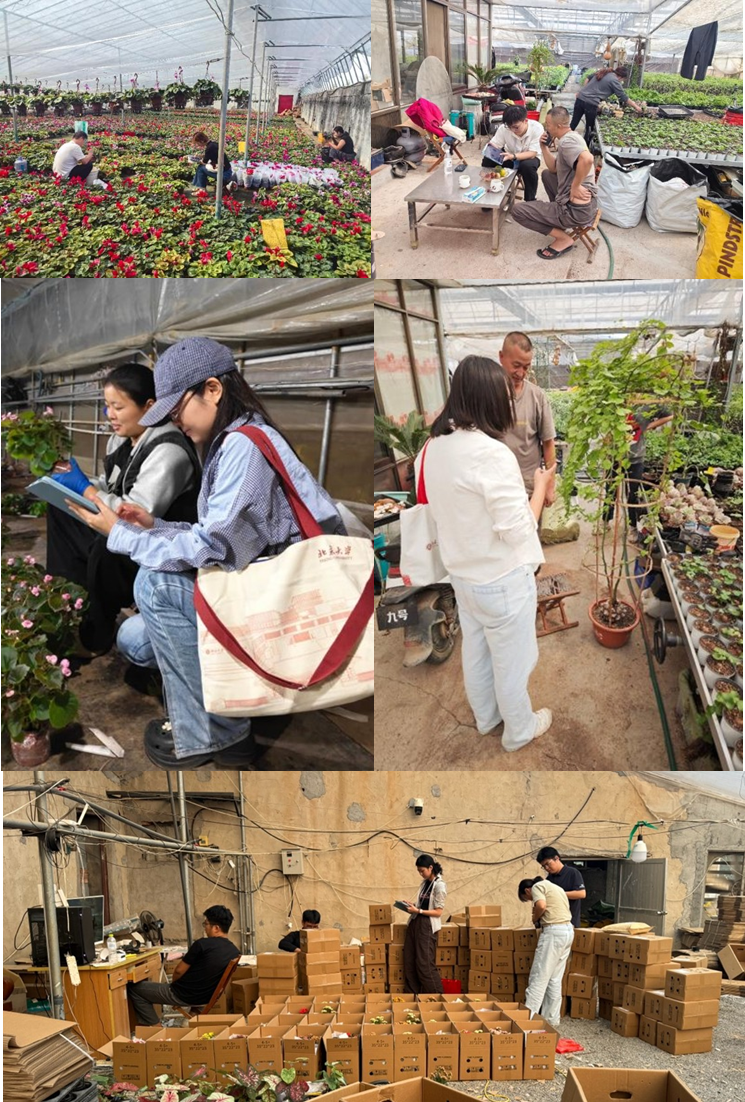
From October 10 to 15, the field survey was conducted across Qingzhou. Over the six-day period, researchers worked in teams to visit individual flower growers, flower cooperatives, greenhouse production bases, and flower e-commerce businesses. Through in-depth, face-to-face interviews with local growers, the researchers gathered detailed information on flower varieties, cultivation and management practices, production costs, sales channels, greenhouse facilities, and other aspects of flower production and marketing. The team successfully completed the household survey, laying a solid foundation for further research on digital empowerment, agricultural industrial upgrading, and smallholder income growth.