


 Home
Homecurrent location: Home> Central News
Central News
Professor Hongmei Yi ’s Team Conducts Field Research on the Agricultural Technology Extension System in Tai’an and Zaozhuang, Shandong
Release date:2026/08/27 Source: CCAP
From July 25 to August 2, 2026, a research team led by Professor Hongmei Yi from the School of Advanced Agricultural Sciences at Peking University conducted field research in Tai’an and Zaozhuang, Shandong Province, focusing on the theme of “Reshaping the Functions and Advancing the Digital Empowerment of Public Agricultural Technology Extension Institutions in the New Era.”
The field study examined how public agricultural extension services are evolving amid the increasing diversification of agricultural producers and the widespread adoption of digital technologies. Particular attention was given to changes in the target groups, content, and delivery methods of public agricultural extension services, as well as to the division of responsibilities and collaboration among government agencies, research institutes and universities, market actors, and agricultural service organizations.
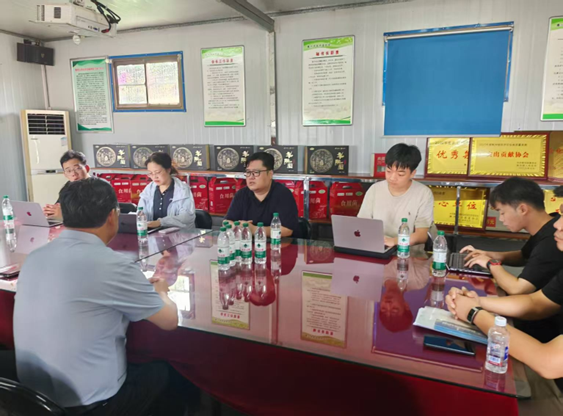
In Tai’an, the research team first held discussions with officials in charge of agricultural affairs in Xintai, heads of township agricultural extension stations, and experts from the wheat industry technology system at Shandong Agricultural University. The discussions covered the testing, demonstration, and extension of new crop varieties, technologies, production models, and agricultural machinery, as well as mechanisms for coordinating agricultural extension personnel and resources at the municipal, county, township, and village levels. The team then visited several townships in Xintai, where they conducted interviews with agricultural enterprises, agricultural machinery and input dealers, agricultural service providers, village committees, and farmers operating at different scales. Discussions focused on field-based technical guidance, farmer training, technology adoption, and farmers’ access to agricultural information.
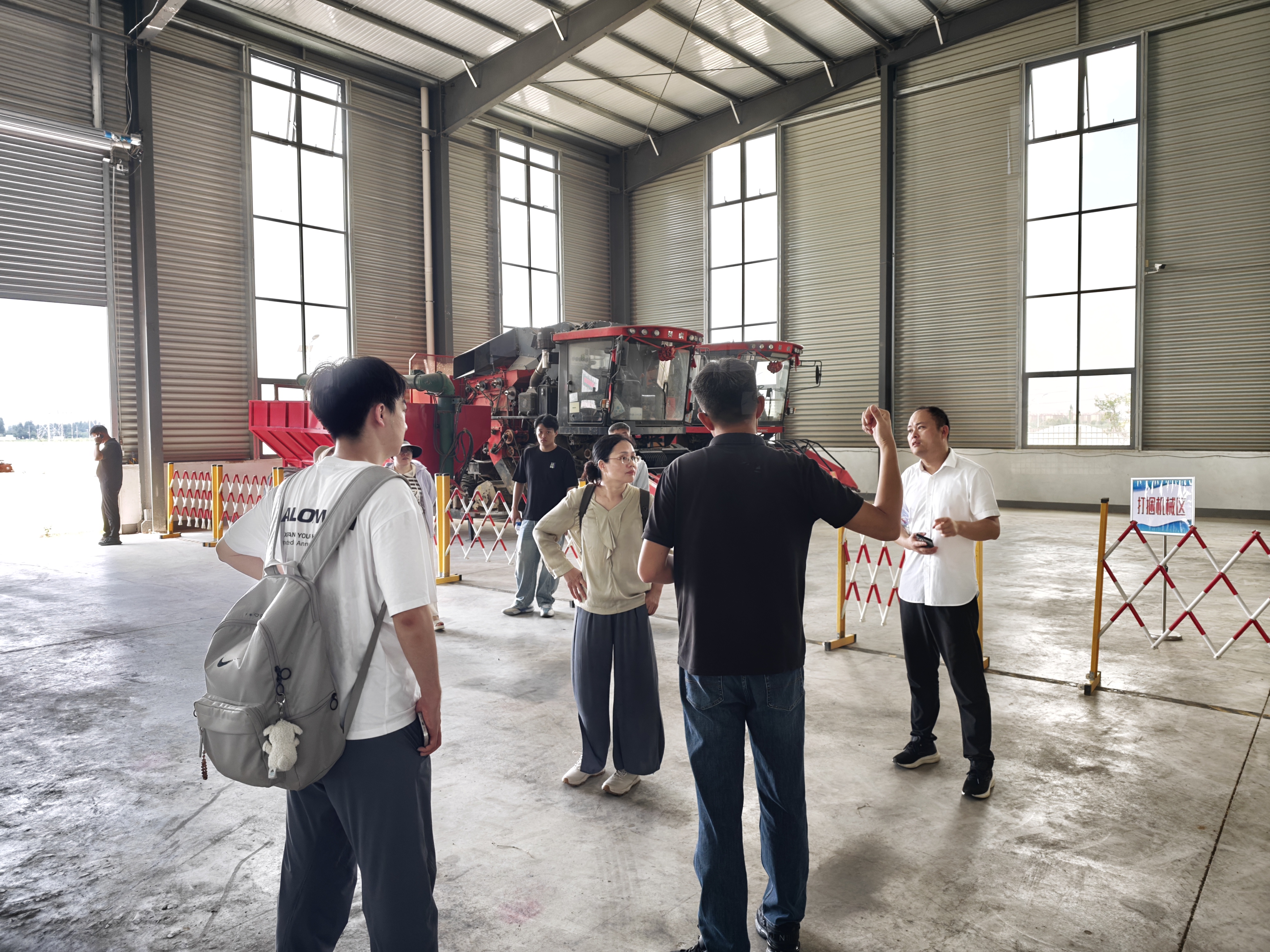
In Zaozhuang, the team first met with officials from the municipal agricultural and rural affairs authorities for in-depth discussions on the development of grassroots agricultural extension systems, the boundaries between public and market-based services, personnel training, and digital service platforms. The team subsequently conducted field visits in Shizhong District, Tengzhou, Taierzhuang District, and Yicheng District, meeting with township agricultural extension and agricultural machinery stations, village committees, agricultural enterprises, cooperatives, family farms, agricultural machinery service organizations, and individual farmers. The researchers examined how technical information reaches agricultural producers, how different actors position themselves and participate in the diffusion of agricultural technologies and the matching of service supply with farmers’ needs, and what expectations and recommendations these stakeholders have for the future development of agricultural technology extension services.

With its diverse range of agricultural producers and its nationally prominent production of both grain and cash crops, Shandong offers a representative setting for examining the operation and digital transformation of China’s agricultural extension system. The field study provided valuable practical insights for the team’s subsequent research on the functional positioning of public agricultural extension institutions, collaboration among multiple service providers, the credibility of digital agricultural information, and mechanisms for ensuring inclusive and accessible agricultural services.